These compact binoculars are marketed as a versatile option for both adults and children, designed for a range of activities from bird watching to concerts and travel. After spending some time with them in different settings, here is a realistic look at what they offer and where they fall short.
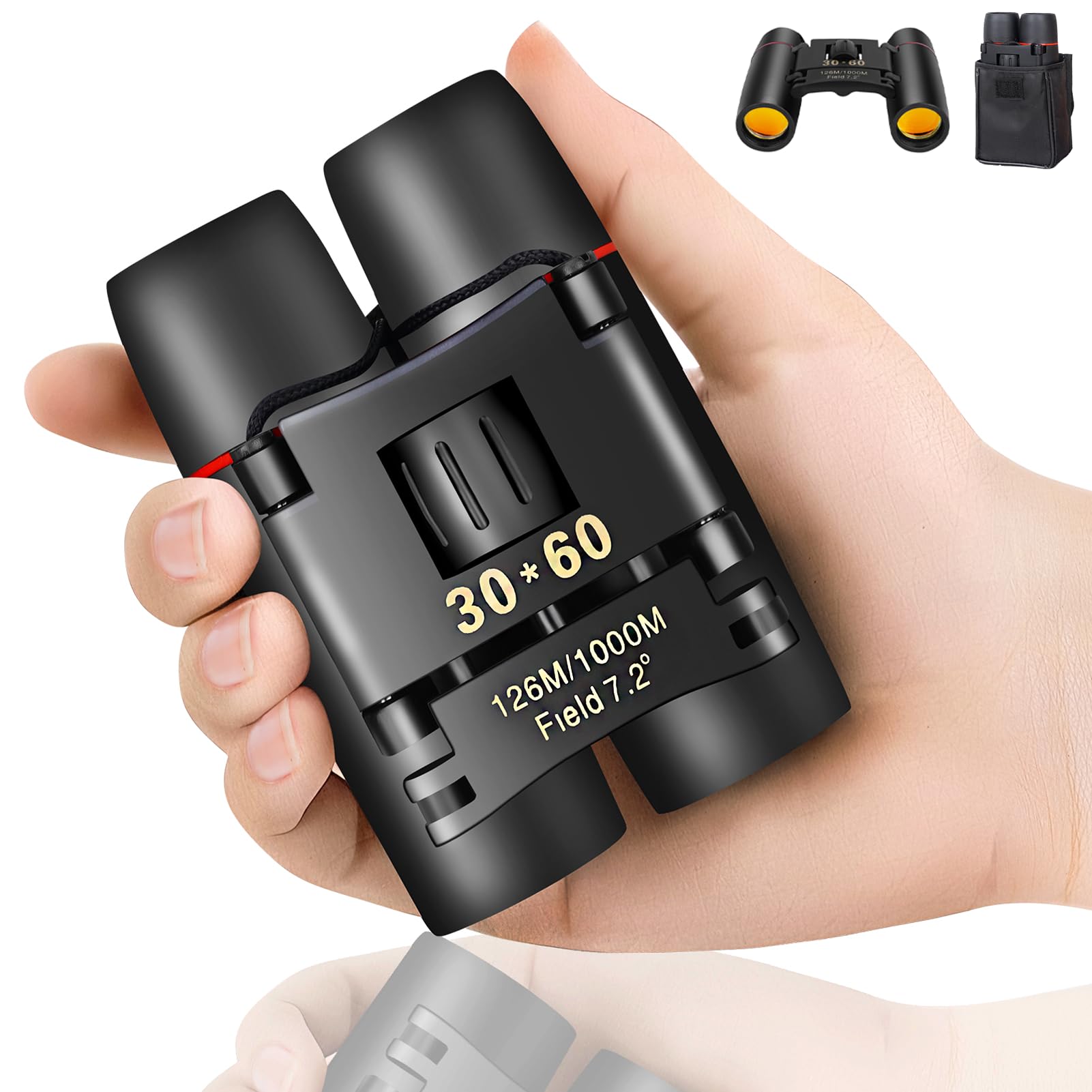
The primary appeal of these binoculars is their size. They fold down into a small, lightweight package that easily fits into a jacket pocket or small bag. This makes them genuinely convenient for events where you don’t want to carry bulky gear, such as a theater performance, a hiking trip, or a day at the zoo. The carrying case and neck strap included are basic but functional for casual use.
In terms of key features, the binoculars claim HD optics with a modest magnification typically around 8x or 10x, which is standard for this class. The lenses are coated to reduce glare, and the central focus wheel is smooth enough for quick adjustments. The design is straightforward: a center hinge allows for folding, and the eyepieces are adjustable for different interpupillary distances. For kids, the lightweight build (under 10 ounces) is a real plus, as they can hold them steady without fatigue.
In real-world usage, these binoculars perform adequately in good light. For daytime bird watching or outdoor sports, the image is reasonably clear and bright, though not exceptionally sharp. The field of view is narrow compared to full-size binoculars, so tracking moving objects like a bird in flight or a player on a field requires some practice. At a concert or theater, they bring distant stage details into view, but in low-light conditions—like an indoor performance or dusk—the image becomes noticeably dimmer and less detailed. This is a common trade-off with compact optics, as the smaller objective lenses let in less light.
One limitation worth noting is the build quality. The body is mostly plastic, which keeps the weight down but gives a slightly fragile feel. The focus wheel, while functional, has a bit of play and may not hold precise focus over time with heavy use. The eye relief is adequate for most users, but those who wear glasses may find it a bit short, leading to a reduced field of view. Additionally, the included lens caps are flimsy and can pop off easily, which is a minor annoyance.
Compared to a compact monocular, these binoculars offer the advantage of two-eye viewing, which is more comfortable for extended use and provides a sense of depth. However, a monocular in a similar price range might offer slightly better image quality per dollar, as it doesn’t require the same precision alignment. For a step up, a pair of mid-range compact binoculars from brands like Nikon or Celestron would offer better optical performance and sturdier construction, but at a higher cost.
Who are these for? They are a good fit for casual users who want a lightweight, portable option for occasional outdoor events, travel, or introducing kids to bird watching. They work well for daytime use where you don’t need extreme clarity. They are less suitable for serious birders, hunters, or anyone who needs reliable performance in low light or demanding conditions. Likewise, if you plan to use them frequently or in rugged environments, investing in a more robust model is advisable.
Overall, these compact binoculars deliver on their promise of portability at an accessible price point. They are a reasonable entry-level choice, but with realistic expectations about their optical limits and build quality. For the price, they are a functional tool rather than a precision instrument.